

When it comes to winning big in the Powerball lottery, Florida has proven to be a major contender. Since joining the multi-state lottery in 2009, the Sunshine State has consistently ranked among the top states for producing jackpot winners. With its booming population, year-round tourism, and enthusiastic lottery culture, Florida has solidified its reputation as a hotspot for Powerball dreams to come true.
But where exactly does Florida stand compared to other states in terms of jackpot success? Let’s explore the numbers and see how Florida stacks up against the competition in the race for life-changing Powerball wins.
What Is the Powerball?
The Powerball is a popular multi-state lottery game in the United States known for its massive jackpots, often reaching hundreds of millions of dollars. It is operated by the Multi-State Lottery Association (MUSL), a nonprofit organization formed by an agreement between member lotteries. A portion of Powerball ticket sales goes to the participating states to fund public programs such as education, infrastructure, and other services, depending on state regulations.
How Is the Powerball Funded?
The Powerball lottery is funded primarily through ticket sales – which are sold for $2 each (or $3 with the optional Power Play feature). Each ticket purchased contributes to the prize pool, operating expenses, and the state programs the lottery supports. Since the revenue from ticket sales is the biggest contributor to the game, it’s used to pay for the prizes, operational costs, and state-specific beneficiaries.
The money from ticket sales is divided into several key areas. First, is the prize pool, which accounts for approximately 50% to 60%, where the money from ticket sales is divided into several key areas. Also, a portion of the prize pool is allocated to the jackpot, which rolls over and grows if no one wins. Plus, smaller prizes for matching fewer numbers are also paid out of the prize pool.
Additionally, there are state allocations, which account for about 30% to 35%. Each participating state receives a share of ticket revenue, which is used for state programs. These funds often support education, infrastructure, and veterans’ programs.
What’s more, there are administrative costs, which make up around 5% to 10%. A smaller portion of ticket sales. This portion covers the administrative and operational costs of running the Powerball, including lottery staff, and promotional activities, along with costs associated with conducting the draws.
Then, other parts of funding come from rollovers. When no one wins the jackpot, the prize money rolls over to the next drawing, increasing the jackpot size. This is funded by the portion of ticket sales dedicated to the jackpot. Federal and state taxes also help to fund the Powerball. (Although not part of ticket revenue, winners contribute to funding through taxes on their winnings.)
How Is the Top Powerball Prize Winner Determined?
The top Powerball prize (the jackpot) is awarded to the player or players who correctly match all six numbers drawn in a Powerball drawing. Here’s how the winner is determined step by step…
Players select five numbers from a pool of 1 to 69 white balls. One number, the Powerball, is picked from a pool of 1 to 26 red balls. Alternatively, players can use a “Quick Pick” to have the numbers randomly generated.
Powerball drawings take place on Monday, Wednesday, and Saturday at 10:59 PM ET.
If the player(s) win the advertised jackpot amount, the individual or group may be paid either by an annuity or with annual payments over 30 years, with each payment increasing by 5%.
Or, the winner(s) can choose a cash option, which is a lump sum payment of the jackpot’s present cash value (usually less than the annuity amount). If multiple tickets match all six numbers, the jackpot is split equally among the winners.
If no ticket matches all six numbers, the jackpot rolls over to the next drawing and it increases in value, funded by the portion of ticket sales allocated to the jackpot. The odds of winning the jackpot are approximately 1 in 292.2 million. Even if no one wins the jackpot, smaller prizes are awarded for partial matches (e.g., matching the Powerball only, matching three white balls, etc.).
Which States Have the Most Powerball Winners?
Several states have seen a higher number of Powerball jackpot winners due to their large populations and high ticket sales. Here’s a breakdown of the states with the most Powerball winners according to recent records:
Top States with Most Powerball Winners
1. Indiana
- Total Jackpot Winners: 39
- Known as the state with the most Powerball jackpot winners, Indiana has a long history with the game since its inception in 1992.
2. Missouri
- Total Jackpot Winners: 31
- Missouri ranks second, with many jackpot winners over the years, likely due to consistent participation and high ticket sales.
3. Minnesota
- Total Jackpot Winners: 22
- Minnesota has had frequent winners since joining Powerball in 1992.
4. Kentucky
- Total Jackpot Winners: 18
- Kentucky has produced numerous winners thanks to robust ticket sales and lottery engagement.
5. Pennsylvania
- Total Jackpot Winners: 18
- Pennsylvania’s high population and active lottery players contribute to its high number of winners.
6. Wisconsin
- Total Jackpot Winners: 19
- Wisconsin frequently joins the ranks of top jackpot-winning states, partly due to consistent participation.
Factors Influencing Winner Numbers
- Population Size: States with larger populations sell more tickets, increasing the likelihood of jackpot winners.
- Lottery Participation: States with a culture of active lottery playing, regardless of population, tend to have more winners.
- Time Participating in Powerball: States that joined the Powerball lottery earlier have had more chances to produce winners.
Interesting Facts
- California: Despite its large population, California does not top the list because of its unique pari-mutuel payout system for non-jackpot prizes, which can affect jackpot odds.
- States with Fewer Winners: Some states, like Vermont and Wyoming, have fewer or no Powerball jackpot winners due to smaller populations and less participation.
While the Powerball game is random, these states highlight how ticket sales and participation trends can impact the number of jackpot winners.
Which States Have the Fewest Powerball Winners?
While some states boast a track record of lucky Powerball winners, others are still waiting for their moment in the spotlight. With Powerball tickets sold in 45 states, Washington, D.C., Puerto Rico, and the U.S. Virgin Islands, the odds of hitting the jackpot vary based on population size, ticket sales, and the sheer randomness of the draw. But which states have seen the fewest Powerball winners—and why? Well, let’s take a look.
- Wyoming
- Total Jackpot Winners: 0
- Wyoming introduced a state lottery in 2013 and joined Powerball the same year. Its small population contributes to fewer tickets sold.
- Vermont
- Total Jackpot Winners: 0
- Vermont has yet to produce a jackpot winner despite participating in Powerball since 2004.
- Maine
- Total Jackpot Winners: 0
- Like Vermont, Maine has participated in Powerball since 2004 but has yet to see a jackpot winner.
- North Dakota
- Total Jackpot Winners: 0
- North Dakota began participating in Powerball in 2004 but has not produced a jackpot winner to date.
- U.S. Territories (e.g., Puerto Rico, Virgin Islands)
- Total Jackpot Winners: 1 (Puerto Rico)
- Puerto Rico has had only one jackpot winner since joining Powerball in 2014, and other U.S. territories do not participate.
Why These States Have Fewer Winners
- Population Size: Again, states like Wyoming and Vermont have small populations, leading to fewer ticket sales.
- Late Entry: Once more, some states joined Powerball later than others, reducing their chances of producing winners over time.
- Participation Rates: Of course, states with less enthusiasm for the lottery or cultural differences in gambling are less likely to generate many winners.
States with Few Jackpot Winners
In addition to those with no winners, some states have only produced a handful of Powerball jackpot winners, such as:
- Montana: 1 winner
- Idaho: 2 winners
- Delaware: 2 winners
These states also have smaller populations, therefore usually markedly less participation, and more recent entry into the game.
How Many Lottery Players Have Won the Powerball in Florida?
As of recent records, Florida has produced 16 Powerball jackpot winners, making it one of the top states for Powerball successes. Florida joined the Powerball game in 2009 and quickly became a significant contributor to ticket sales due to its large population and popularity of the lottery.
Notable Florida Powerball Wins
- World Record Jackpot (November 2022)
- A single winner from California claimed the record $2.04 billion jackpot, but Florida had multiple significant winners from other Powerball draws leading up to this historic event.
- $590.5 Million Winner (May 2013)
- The largest single-ticket jackpot in history at the time was won by Gloria Mackenzie, an 84-year-old Florida resident.
- Other Major Wins
- Over the years, Florida winners have claimed jackpots ranging from tens of millions to hundreds of millions, contributing to the state’s reputation as a hot spot for Powerball success.
Why Florida Produces Many Winners
- Large Population: With a population fast approaching 23 million, Florida has one of the highest numbers of lottery participants.
- No State Income Tax: Florida’s tax laws encourage participation since winners keep more of their prize compared to states with state income taxes.
- Year-Round Tourism: Visitors to Florida often buy lottery tickets, increasing the overall pool of participants and potential winners.
Due to these factors and more, Florida continues to be a major player in Powerball, both in ticket sales and jackpot wins.
Follow us on Facebook, Instagram, Threads, Google, & X
(Image credit: McClatchy News Service)


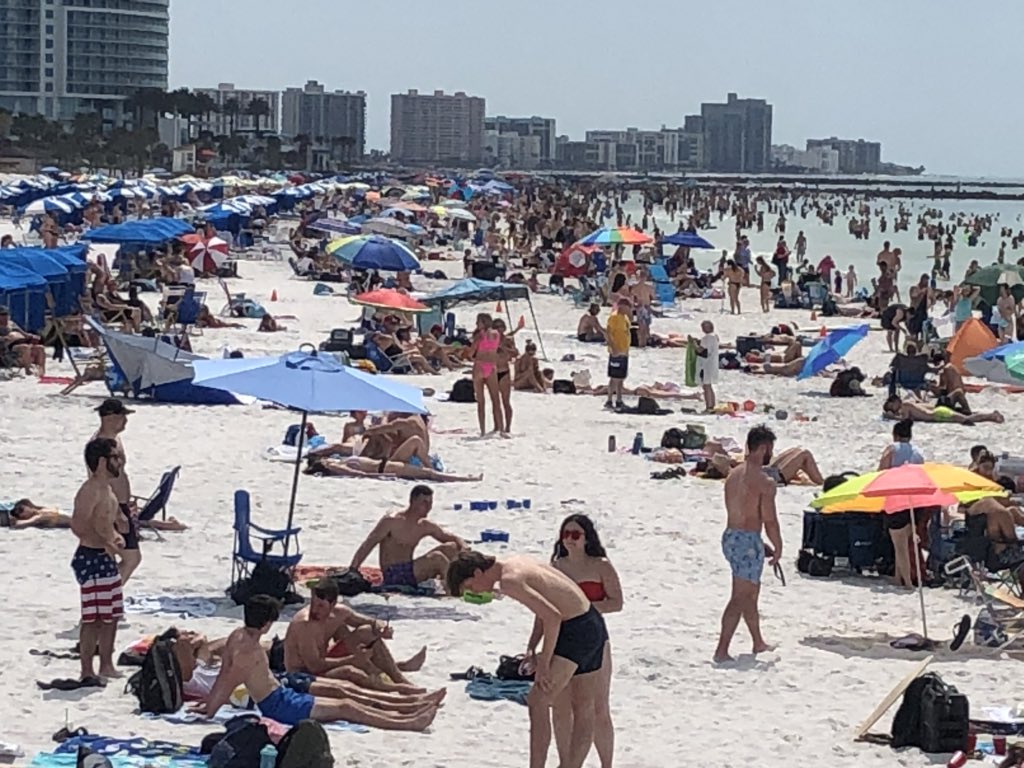

 St. Pete-Clearwater Sun
Leave a comment