
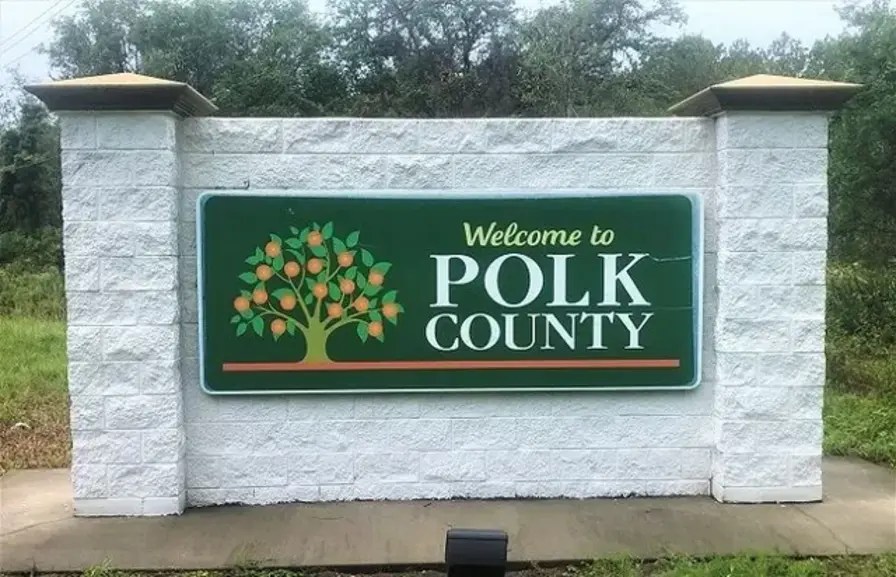
Once known primarily for its sprawling citrus groves, Polk County, Florida, has become the fastest-growing county in the United States, with nearly 30,000 new residents moving in last year alone. Nestled between Tampa and Orlando, this former citrus powerhouse has seen acres of groves replaced with housing developments and big-box stores, earning it the tongue-in-cheek nickname “Orlampa.”
This rapid migration mirrors a broader national trend: the rise of exurbs—communities on the outskirts of major metropolitan areas. According to the U.S. Census Bureau, these areas, often 60 miles or more from city centers, experienced some of the fastest population growth in the country last year. Notable examples include Anna, Texas, outside Dallas; Fort Mill, South Carolina, near Charlotte; and Haines City in Polk County.
For some residents, the trade-offs of exurban life, such as long commutes, are worth it. Marisol Ortega, who lives in Haines City and commutes 40 miles to Orlando, appreciates the tranquility of her home despite the hour-and-a-half drive to work. “I love my job, but I also love coming back home—it’s more peaceful,” she said.
Growth Fueled by Pandemic and Migration
The surge in exurban growth is partly an aftereffect of the COVID-19 pandemic. Rising housing costs pushed many people farther from cities, while remote work made living at a distance more feasible. Polk County’s Hispanic population has also grown significantly, driven by migration from Puerto Rico after Hurricane Maria and relocations from New York during the pandemic. Over the past five years, the county’s Hispanic population has increased from one-fifth to more than one-quarter of its total, while the share of non-Hispanic white residents has declined from 61% to 54%.
Yeseria Suero, who moved her family from New York to Polk County, has embraced the slower pace of life and the region’s tight-knit community. “We fell in love with the affordability and lifestyle,” she said, though she noted some adjustments to cultural differences, like early restaurant closures and friendly strangers at the grocery store.
Citrus Decline and Land Development
Economic and environmental challenges, including citrus diseases and recent hurricanes, have made it more attractive for some growers to sell their groves to developers. Over the past decade, citrus cultivation in Polk County has decreased from 81,800 acres and nearly 10 million trees in 2014 to 58,500 acres and 8.5 million trees in 2024, according to federal agricultural data.
“It hasn’t been a rapid conversion of citrus land to development,” said Matt Joyner, CEO of Florida Citrus Mutual. “But it’s noticeable, especially in northern and northeastern Polk.”
A National Trend: Exurbs Expanding
Polk County’s growth mirrors patterns in other exurban areas like Anna, Texas, which was the fourth-fastest growing city in the U.S. last year. Anna’s population has surged by a third since 2020, driven by affordability compared to closer-in suburbs like Frisco.
Anna resident Schuyler Crouch and his wife moved there after being priced out of Frisco. “The exurbs just keep getting pushed further out,” he said, joking that at this rate, “the next exurb we’ll be living in is Oklahoma.”
As exurbs like Polk County and Anna continue to grow, they reflect the evolving dynamics of housing, migration, and lifestyle preferences in the United States.
Follow us on Facebook, Instagram, Threads, Google, & X
(Image credit: New Home Finders Tampa Bay)


 St. Pete-Clearwater Sun
Leave a comment