
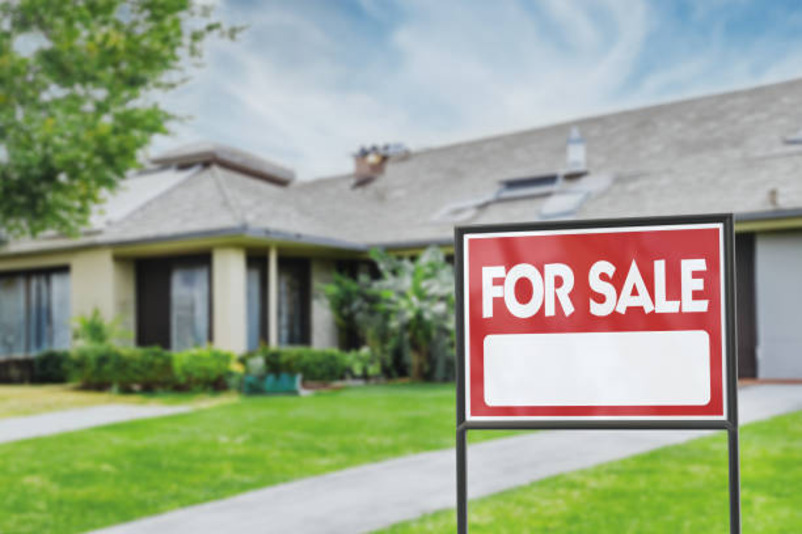
A new report from Oxford Economics reveals that the income needed to afford a single-family home in the U.S. has nearly doubled over the past five years. In 2024, households require an average annual income of $107,700 to cover the costs of a new home—including property taxes and insurance—compared to just $56,800 in 2019.
The report highlights a stark decline in housing affordability, with only 36% of U.S. households able to afford a home last quarter, down from 59% in 2019.
READ: Tampa Bay’s Gen Z Renters Hit Hard by Housing Costs, New Zillow Study Finds
“Housing affordability has dropped significantly over the last five years in every major metro as house prices soared and mortgage rates nearly doubled,” the report stated.
Least and Most Affordable Cities
The least affordable housing markets are concentrated on the West Coast and in Hawaii. Cities like San Jose, San Francisco, Los Angeles, San Diego, and Honolulu saw fewer than 15% of households able to afford housing costs.
In contrast, the Midwest and South offer more accessible housing markets. Cities such as Cleveland, Louisville, Detroit, St. Louis, Oklahoma City, and Memphis had housing costs ranging from $64,600 to $75,300 annually, with about half of households earning enough to buy a home.
READ: First-Time Homebuyer Age Reaches New High, According to New National Realtors Survey
The most affordable cities in the study were Decatur, Illinois; Cumberland, Maryland; Youngstown, Ohio; Charleston, West Virginia; and Elmira, New York. In these areas, nearly two-thirds of households could afford a single-family home.
Rising Housing Costs
Housing prices have continued to climb in 2024. Redfin reported in June that the median U.S. home sale price reached $394,000, up 4.4% compared to the same time last year.
These rising costs have made it particularly difficult for first-time homebuyers to enter the market. According to the National Association of Realtors (NAR), the share of first-time buyers fell from 32% in 2023 to 24% in 2024—the lowest percentage since the NAR began tracking the data in 1981.
READ: Zombie Foreclosures Drop Sharply Across the US But Likely to Spike in Tampa Bay
The sharp rise in housing costs and declining affordability underscore the challenges facing many Americans in today’s housing market.
Follow us on Facebook, Instagram, Threads, Google, & X
(Image credit: Free Range stock)


 St. Pete-Clearwater Sun
Leave a comment