
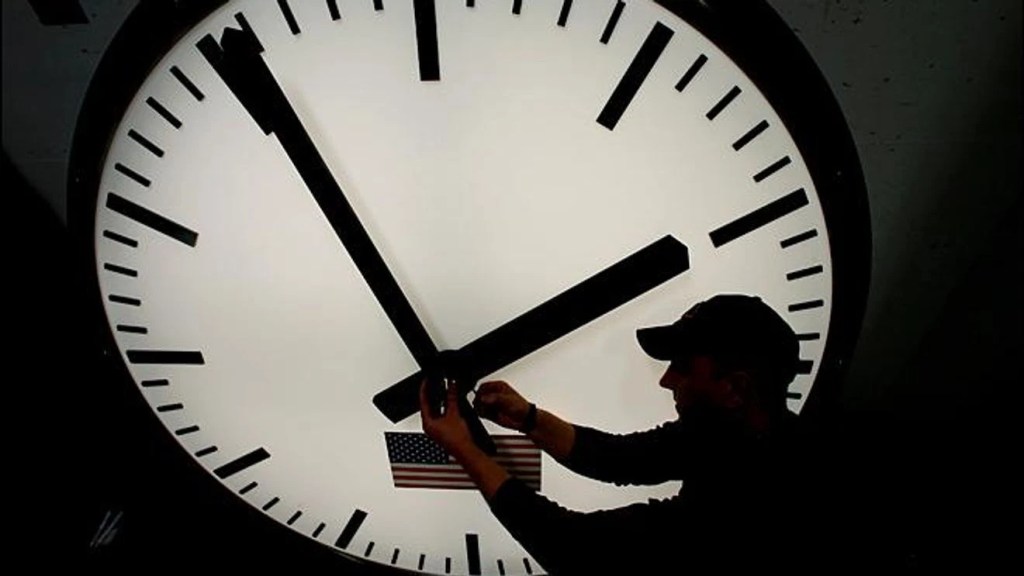
With daylight saving time officially ending yesterday, the U.S. returns to earlier sunrises and sunsets, replacing the extended daylight hours enjoyed since March. While the time change remains, many lawmakers continue to push to “lock the clocks” and end the bi-annual adjustments for good.
State-Level Efforts to End Clock Changes
Most states have introduced legislation to end the twice-yearly clock changes, with many proposing a switch to permanent daylight saving time—essentially moving forward in March without the fall-back in November. However, while states can opt for permanent standard time, as Hawaii and most of Arizona have done, federal approval is needed for permanent daylight saving time. Despite repeated attempts, many state-led bills have stalled or expired without action.
Federal Efforts for Permanent Daylight Saving Time
On the national level, similar legislation has struggled to pass. In March 2023, Sen. Marco Rubio (R-Fla.) reintroduced the Sunshine Protection Act, which would make daylight saving time permanent. Despite bipartisan support, the bill has yet to move forward. Other bills introduced by Rep. Mike Rogers (R-Ala.) and Rep. Ralph Norman (R-SC), like the DAYLIGHT Act, aim to give states the option to adopt daylight saving time year-round. However, these efforts have also faced significant challenges and remain in committee.
A Complicated History with Time Changes
The U.S. has a long history of seasonal time changes. Initially introduced in 1918 as a wartime measure to conserve energy, daylight saving time has shifted over the decades. The Uniform Time Act of 1966 standardized the clock changes across the country, but in 1973, during the energy crisis, the country briefly adopted year-round daylight saving time. Public support quickly waned due to the impact on winter mornings, and the U.S. returned to the current system in 1974.
What Permanent Daylight Saving or Standard Time Would Mean
Proponents of permanent daylight saving time suggest benefits like improved mood, reduced crime rates, and better public health. However, health and sleep experts often advocate for permanent standard time. More morning daylight, they argue, aligns with our natural circadian rhythms, improving sleep, mental health, and overall well-being. Dr. Alaina Tiani of the Cleveland Clinic explains that morning light exposure helps suppress melatonin, our body’s sleep hormone, which could enhance our daytime energy and focus.
Regardless of the path forward, daylight saving time has ended and will begin again on Sunday, March 9. Whether lawmakers can successfully “lock the clocks” remains to be seen, but the debate around the benefits of each approach continues.
(Image credit: AP Photo/Elise Amendola)




 St. Pete-Clearwater Sun
Leave a comment