
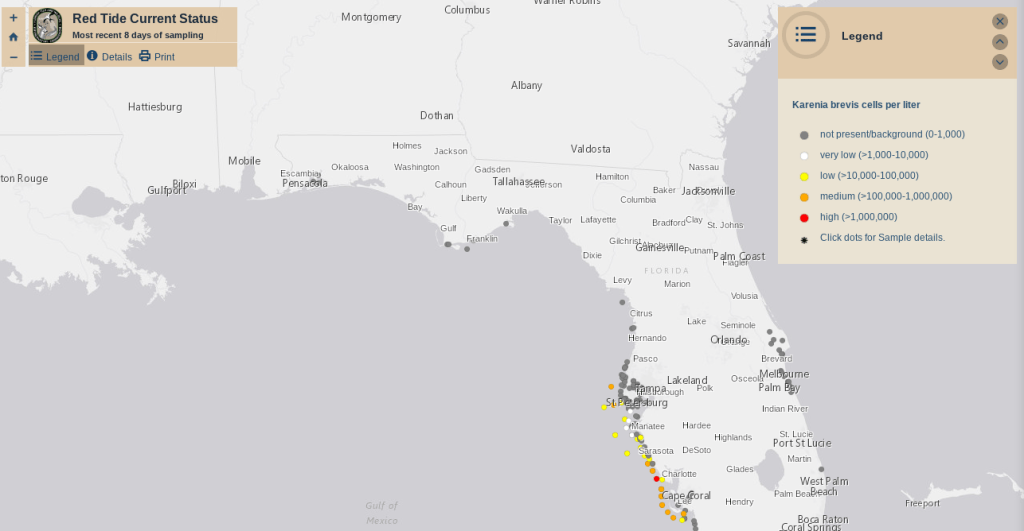
Southwest Florida faces a dual water quality crisis as red tide blooms offshore, while fecal bacteria levels in local waters soar beyond safe limits set by the U.S. Environmental Protection Agency (EPA).
The persistent red tide, visible on recent NOAA satellite images, has reached Lee County, spreading south from Tampa Bay, particularly off the coast of Pinellas County. A significant fish kill was reported over the weekend in northwest Lee County. “The water looked bad, but there was no smell,” Calusa Waterkeeper Cody Pierce told the Fort Myers News-Press, reflecting on the suddenness of the event.
The recent hurricanes—Debbie, Helene, and Milton—contributed to septic backups and water treatment issues across the region, intensifying water quality challenges. This red tide bloom, caused by the Karenia brevis algae, began north of Sarasota and seems to follow the storm paths. While red tide naturally occurs, it has become more severe and persistent due to human factors like nutrient pollution.
Eastward winds this week have kept the red tide offshore, but onshore winds could push it closer to popular beaches, worsened by nutrient runoff. While the Health Department has deemed local beaches safe for swimming, fecal bacteria in nearby creeks and rivers is alarmingly high. According to Pierce, some areas, such as Pine Island Sound, have recorded bacteria levels exceeding 1,600 parts per milliliter—far above the EPA’s safe threshold of 70.
“This is a first-world country facing third-world water quality issues,” Pierce said, as he leads efforts to monitor areas outside the state’s Healthy Beaches program, which focuses on beaches but not local rivers and creeks frequently used for recreation.
(Image credit: Florida FWC website red tide map)


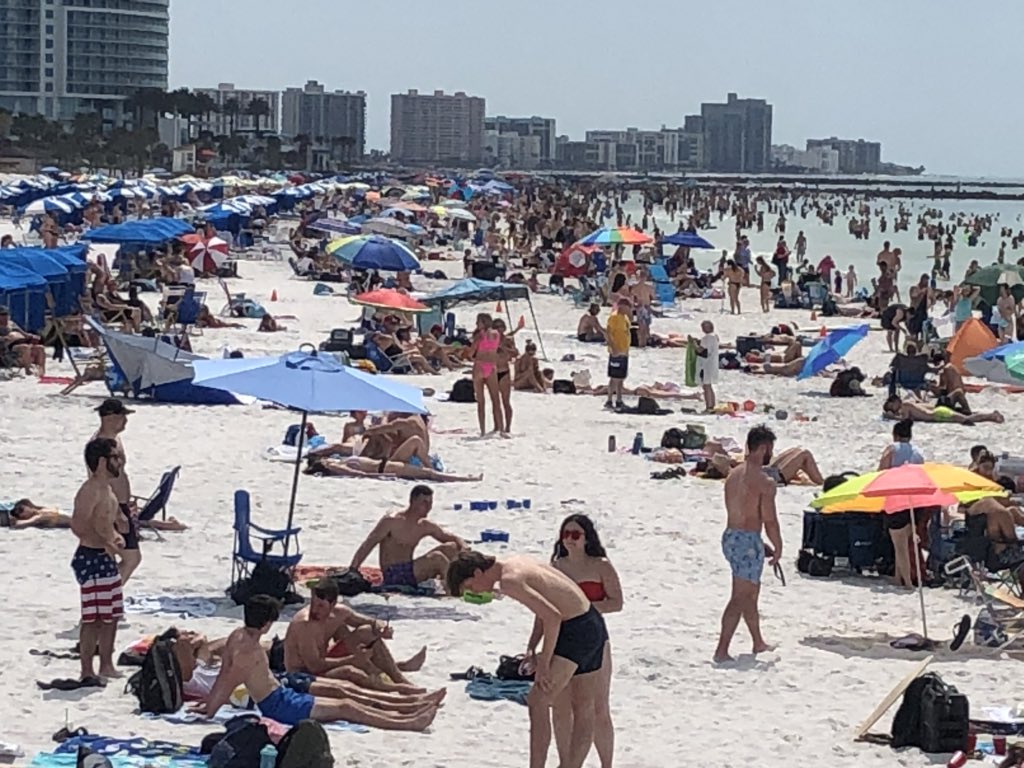

 St. Pete-Clearwater Sun
Leave a comment