
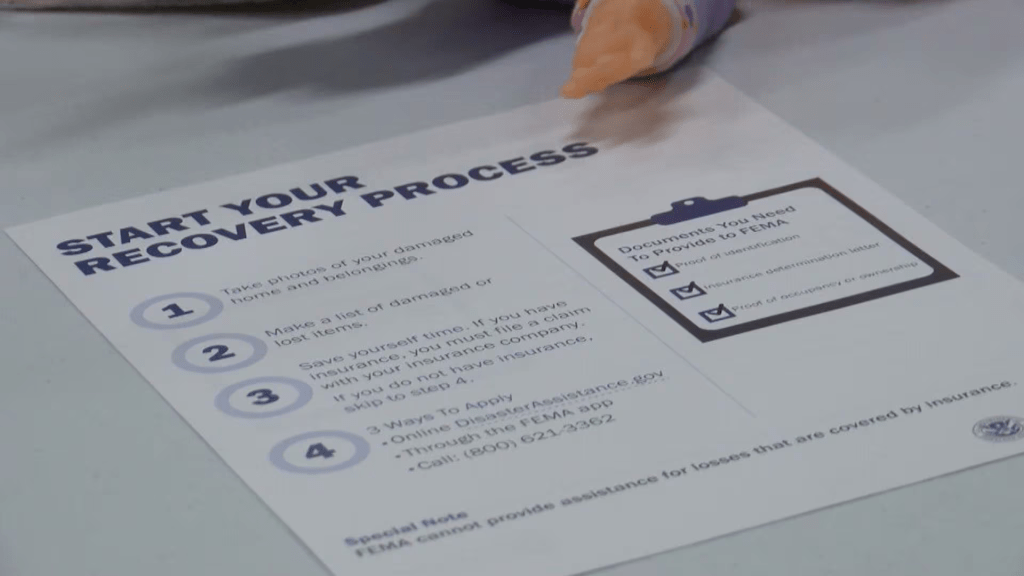
Receiving a denial on your FEMA disaster assistance application can feel overwhelming, especially when you need immediate support to recover from disaster-related losses. However, a denial doesn’t necessarily mean the end of the road. FEMA allows applicants to appeal decisions, offering a second chance to provide additional information or correct errors that may have impacted the initial review.
Below, we’ll walk you through the process of appealing a FEMA disaster assistance application denial, helping you better understand eligibility criteria, gather essential documents, and strengthen your case for a successful appeal.
Top Reasons Why FEMA Disaster Assistance Applications Are Rejected
FEMA disaster assistance applications may be rejected for several reasons, often related to eligibility requirements or application errors. Here are some of the top reasons why FEMA may deny an application:
- Inadequate proof of ownership or occupancy. Applicants must prove that the damaged property is either their primary residence (for renters) or owned by them (for homeowners). Applications can be denied if proof, such as a utility bill, lease agreement, or property deed, is missing or insufficient.
- Insurance coverage. FEMA assistance is meant to supplement, not replace, insurance. If a claimant’s insurance covers the damage, FEMA may reject the application. However, if insurance funds are delayed or insufficient, applicants can appeal to FEMA with documentation.
- Insufficient damage. If FEMA deems the damage to be minor or that the property is still safe to occupy, assistance might be denied. In these cases, FEMA may determine the damage does not meet its criteria for aid. Remember, FEMA’s 50% rule can be a substantial financial burden.
- Duplicate applications. FEMA only allows one application per household. If multiple family members submit applications for the same address, the duplicates are often rejected.
- Missed inspections. After applying, FEMA may schedule an inspection to assess the damage. If the applicant misses the inspection and does not reschedule, FEMA may deny assistance due to lack of verification. Also, the agency has strict rules about repairing a property without it being inspected. If property owners begin repairs without adhering to the rules, they could get hit with a FEMA Stop Work Order, preventing further repairs and no federal financial support.
- Failure to provide required documentation. FEMA may request additional documents like tax returns, government-issued IDs, or specific receipts. Failing to submit these documents on time can result in rejection.
- Primary residence requirement. FEMA only provides assistance for primary residences. If the damaged property is a secondary home or vacation property, the application will likely be denied.
- Unresolved insurance claims. If an applicant’s insurance claim is still pending, FEMA may put the application on hold or reject it, as FEMA assistance cannot duplicate insurance benefits. An appeal may be possible if the insurance settlement is insufficient.
- Ineligible expenses. Some damages or losses—such as those to luxury items, secondary vehicles, or non-essential property features—do not qualify for FEMA assistance. Claims including these may be denied.
- Errors in the application. Simple mistakes, like incorrect address information, typos, or mismatched details, can lead to rejections. It’s crucial to carefully review the application for accuracy before submitting it.
Applicants who believe they were wrongfully denied assistance have the option to appeal the decision within 60 days, providing additional documentation or clarification to strengthen their case.
What Happens When a FEMA Disaster Assistance Application Appeal Is Denied
If a FEMA disaster assistance application appeal is denied, the applicant will not receive financial assistance from FEMA for their disaster-related damages. This decision indicates that, after review, FEMA has determined the applicant does not meet eligibility criteria based on the information provided. The applicant will receive a written notice detailing the reasons for the denial and outlining possible options to seek assistance from other sources. However, this doesn’t necessarily mean there isn’t any way forward.
Is It Possible to File an Appeal of FEMA Disaster Assistance Appeal that’s Been Rejected?
If your FEMA disaster assistance application has been rejected, it’s important to know that you have the right to file an appeal. The appeal process allows you to present additional information and documents to support your case. Here’s everything you need to know about appealing a FEMA decision:
Timeframe
You must file your appeal within 60 days of the date on the FEMA determination letter. This letter will explain the reason for the rejection and provide details on what documents might help your appeal. It’s crucial to adhere to this 60-day timeframe to ensure your appeal is considered.
Supporting Documents
When filing your appeal, include any relevant documents that support your case. These may include:
- Repair estimates
- Receipts
- Bills
- Property deeds
- Photos of the damage
- Contractor statements Including comprehensive documentation can strengthen your appeal by providing clear evidence of your needs.
How to Appeal
You can submit your appeal through several channels:
- FEMA website. Log in to your account on the FEMA Disaster Assistance website and upload the necessary documents.
- Postal mail. Send your appeal letter and supporting documents to the address provided in your determination letter.
- Fax. (Yes, fax.) Send your appeal and supporting documents to the number provided in your determination letter.
- Disaster recovery center. Visit a local Disaster Recovery Center to submit your appeal in person. These centers can also offer guidance and answer any questions you may have.
Contacting FEMA
If you have any questions or need assistance with the appeal process, contact the FEMA helpline at 800-621-3362. FEMA specialists are available to help you navigate the process and ensure you have all the necessary information.
Keep in mind that filing an appeal with FEMA might seem daunting, but understanding the process and gathering the right documents can make a significant difference. Don’t hesitate to reach out for help and be sure to submit your appeal within the designated timeframe to give yourself the best chance of a successful outcome.
How to Appeal a FEMA Disaster Assistance Application Denial
When disaster strikes, getting help from FEMA can feel like a lifeline. But what if your application for disaster assistance gets denied? Don’t panic! You’re not alone, and there’s a way to navigate this challenging situation. Here’s a clear guide to help you appeal that denial and get the assistance you deserve.
Understanding the Reasons for Denial
Again, this bears repeating. First things first, let’s look at why your application might have been denied. FEMA usually sends a letter explaining their decision. Common reasons include:
- Insufficient documentation. Maybe you missed including essential paperwork.
- Ineligible property. Not all types of damages qualify for assistance.
- Income levels. Sometimes, FEMA considers your financial situation in their decision.
Once again, understanding the “why” behind the denial can help you craft a stronger appeal. If you can’t pinpoint the reason why, it will be very difficult – if not impossible – to succeed with an appeal of the initial disaster assistance application denial.
Gather Your Evidence
Now that you know the reasons for denial, it’s time to roll up your sleeves and gather your evidence. This involves:
- Collecting documents. Look for any paperwork related to your original application. This could be photos of damage, receipts for repairs, or insurance documents.
- Making a case. Write down everything that shows why you’re eligible for assistance. Use simple language, and be clear and straightforward.
- Keep copies. Always keep a copy of everything you send to FEMA. It’s your backup plan.
Writing Your Appeal Letter
Your appeal letter is your chance to speak directly to FEMA. Here’s how to structure it effectively:
- Start with Your Information
At the top, include your name, address, and FEMA application number. This helps them track your case quickly.
- Explain the Situation
Next, provide a brief description of the disaster and how it affected you. Use clear, concise language. Think of this like telling a friend what happened. Keep it personal but to the point.
- State Your Reasons for Appeal
Here’s where you’ll really want to shine. Clearly outline why you believe your application should be approved. Reference the documents you gathered, and be specific. For example:
- “Attached is a photo of my damaged roof, which was not initially included.”
- “I believe my income level qualifies me for assistance due to these recent changes in my circumstances.”
- Request a Review
End the letter by respectfully asking for a review of your case. Let them know you’re looking forward to their response.
Submitting Your Appeal
Once your letter is written and your evidence is prepared, it’s time to submit your appeal. You can send it by mail or fax it to the address in your denial letter. Don’t forget to send it within 60 days of receiving the denial. Mark this date on your calendar to ensure you meet the deadline.
Follow Up
After you’ve submitted your appeal, don’t just sit back and wait. A week or two later, check in with FEMA. Call their helpline to confirm they received your documents. Think of it as following up on a job application—polite persistence can pay off.
Know Your Rights
Remember, you have the right to appeal. FEMA is required to provide a fair review process. If after your appeal you still get denied, you can seek further help through other agencies or organizations, like legal aid or local nonprofits.
Appealing a FEMA disaster assistance application denial can feel daunting, but you have the power to fight back. By understanding the reasons for denial, gathering evidence, writing a strong appeal letter, submitting it on time, and following up, you can increase your chances of success. Don’t lose hope; help is often just a few steps away.



 St. Pete-Clearwater Sun
Leave a comment