
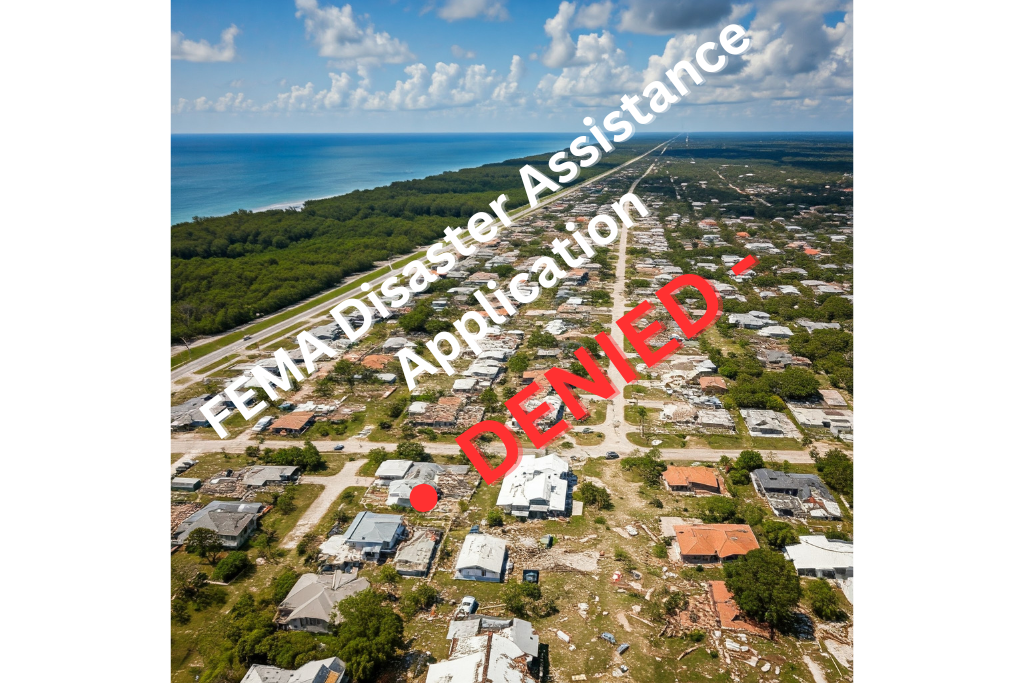
FEMA has mobilized an unprecedented $2 billion in federal assistance for Hurricane Helene and Milton victims, establishing multiple disaster recovery centers to support affected communities. One such location is at the Florida Botanical Gardens in the Magnolia Room, at 12520 Ulmerton Road in Largo, which operates Monday through Sunday 9 am to 7 pm.
FEMA, or the Federal Emergency Management Agency, established in April of 1979 by two Executive Orders, has an estimated annual budget of nearly $30 billion, with almost 30,000 employees. The agency’s primary mission is to help people before, during, and after disasters.
FEMA’s core focus is on building and sustaining capabilities to prepare for, protect against, respond to, recover from, and mitigate all hazards, including natural disasters, acts of terrorism, and other man-made disasters. FEMA coordinates federal resources to assist state, local, tribal, and territorial governments, as well as individuals, in times of crisis, ensuring a comprehensive and efficient response to disasters.
What FEMA Can Cover
Regardless of its mission, the organization’s role and responsibility are still misunderstood by many Americans, particularly victims of natural disasters. People think FEMA will roll in with supplies, materials, resources, and money. But, the agency operates much differently than most individuals and families imagine. To clear up some misconceptions to those affected by Hurricane Helene and Milton, FEMA offers several types of assistance:
Immediate Needs Assistance
- Emergency supplies (water, food, first aid)
- Essential items (prescriptions, formula, diapers)
- Personal care needs (hygiene items)
- Transportation (gas assistance)
Housing Support
- Temporary housing for displaced residents
- Home repair assistance (for damage not covered by insurance)
- Alternative housing for renters
- Moving expenses
Additional Assistance Programs
- Childcare expenses (new or increased due to a storm)
- Medical and dental needs (for uninsured individuals)
- Funeral expenses
- Vehicle damage assistance
- Transportation support
Important Guidelines
- Insurance first. If you have insurance, you must file with your insurance company before seeking FEMA assistance
- No duplicate coverage. FEMA cannot provide additional funding for damage already covered by insurance
- Keep documentation. Save all receipts for expenses related to storm damage and recovery
- Appeals process. If denied, you have 60 days from receiving your determination letter to appeal
Hurricane Helene Response by the Numbers
Financial Assistance
- Individual and family assistance: $746 million
- Public health and debris removal: $524 million
- Total response and recovery spending: $4.3 billion (estimated)
Emergency Response Resources
- FEMA personnel deployed: 4,900+
- Total federal responders: 7,035
- Emergency supplies distributed:
- Meals: 12.6 million
- Water: 13.2 million liters
Although this list is extensive, this doesn’t mean FEMA is without limitations. Contrary to conventional thinking, the agency can’t do several things for disaster victims. Unfortunately, too many applicants discover to their disappointment the organization doesn’t have an unlimited capacity.
What FEMA Cannot Do for Disaster Victims
While FEMA provides substantial support, there are several things it cannot do for disaster victims, such as the following:
- Fully cover all losses. FEMA assistance is limited and designed as a supplemental aid, not a replacement for insurance or a full recovery fund. Typically, it provides basic assistance to help with immediate needs but does not cover all disaster-related losses.
- Offer immediate cash relief. FEMA assistance is not instant, as applications and inspections take time. Immediate funds to cover evacuation costs, food, or quick lodging are not typically available from FEMA.
- Rebuild or restore property fully. FEMA can help cover critical repairs to make a home safe and habitable, but it does not rebuild or fully restore homes to pre-disaster conditions. It provides grants for essential needs only, such as structural, plumbing, and electrical repairs.
- Provide long-term housing. While FEMA may provide short-term housing options (e.g., hotel stays or temporary housing units), it does not offer long-term housing solutions. Assistance is generally limited in both time and scope, with the expectation that other resources (e.g., insurance, local support) will supplement recovery.
- Replace personal belongings fully. FEMA may cover some personal property essentials like clothing, basic furniture, or appliances, but it typically cannot replace all personal belongings lost or damaged in the disaster.
- Compensate for business losses. FEMA’s mission is to help individuals and households; it generally does not cover business losses. Instead, business owners can seek assistance from the U.S. Small Business Administration (SBA) for low-interest loans to support recovery.
- Address pre-existing conditions. FEMA cannot cover damages that were present before the disaster or issues resulting from deferred maintenance. It only provides assistance for new damage directly caused by the disaster.
- Replace luxury or non-essential items. FEMA focuses on essential items and repairs necessary for safe living conditions and does not cover luxury items, recreational items, or items that aren’t considered critical for daily living.
- Support in non-declared disaster areas. FEMA can only provide assistance in areas with a federally declared disaster. If a declaration is not made, federal resources and FEMA support are generally unavailable.
FEMA encourages disaster survivors to have insurance, as this is typically the primary resource for disaster recovery, with FEMA filling in for unmet essential needs.
How to Get Help
FEMA representatives are available at disaster recovery centers to provide face-to-face assistance with applications and questions. As FEMA representative Nikki Gaskins Campbell explains, “We are here at these disaster recovery centers to walk them step by step through the process. We found that a lot of people prefer that versus calling us or going online directly because they have a face-to-face actual human being who can guide them through that process.”
(Important note: FEMA assistance does not need to be repaid, but it is not intended to make victims whole—rather, it provides essential support to help communities get back on their feet.)
How Many FEMA Assistance Applications Are Denied to Disaster Victims?
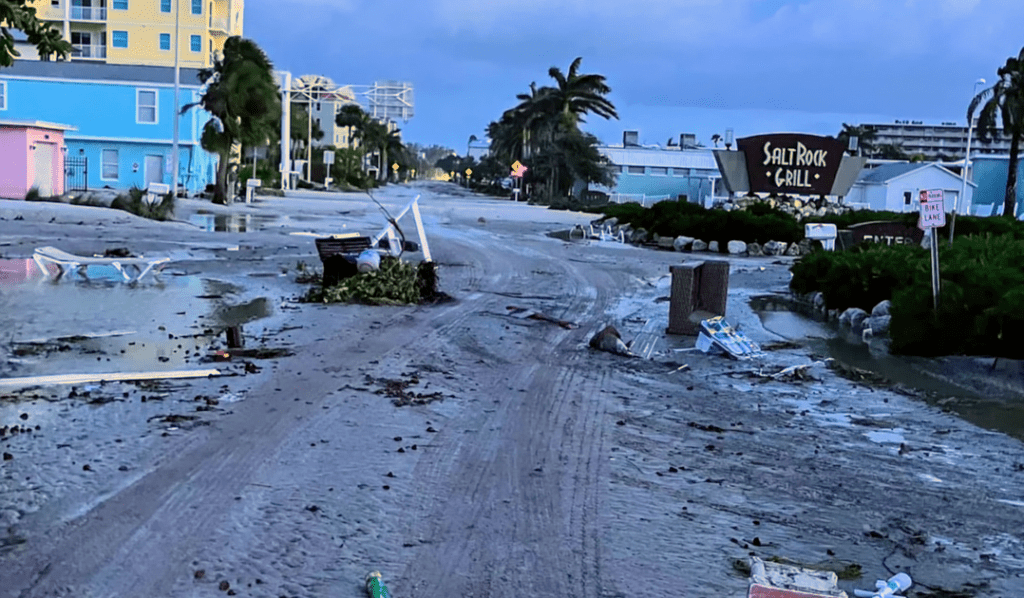
Unfortunately, tens of thousands of disaster victims reside right here in Tampa Bay. Hurricanes Helene and Milton caused substantial damage to many homes, vehicles, and personal property. The initial reporting is grim. After Hurricane Helene, 28,350 residential properties sustained significant damage, with approximately 268 completely destroyed, and 16,803, suffering significant damage, according to a news report published by WFLA.
As for Hurricane Milton, that damaged a total of $12,560 homes, of which, 446 were completely destroyed, and 1,971 sustained major damage. However, these are only initial estimates and the numbers are likely to fluctuate upward as more comprehensive and up-to-date data becomes available.
FEMA Housing Assistance: Application Denials and Appeals
According to a Scripps News analysis of FEMA data, approximately half of all applications for housing assistance following major disasters have been denied since 2002. And, the latest natural disasters are certainly no exception. Social media is full of anecdotal examples of people posting they’ve been denied monetary support, while others find financial assistance to be completely inadequate to cover even a fraction of their losses. So, let’s take a look at why applications are rejected.
Common Reasons for Application Denial
- The applicant has existing insurance coverage
- The damaged property is not the applicant’s primary residence
- The property damage does not meet FEMA’s threshold requirements
- Required documentation is missing, including:
- Personal identification
- Proof of ownership
- The application contains incorrect contact information, such as the wrong address and/or wrong phone number
Understanding the Appeals Process
- Appeals can take up to 90 days to process
- FEMA may request additional documentation during the review
Applicants will receive official notification of the decision by postal mail or through their DisasterAssistance.gov account. However, historical data suggests about a 50% success rate, multiple appeals may be necessary for applicants, and disaster victims may have to resubmit their completed forms using the same Sign/Submit process as their original application.

 St. Pete-Clearwater Sun
Leave a comment