

With the end of Daylight Saving Time on November 3, Florida will transition back to standard time. This means sunrise and sunset will occur an hour earlier, and we will continue to lose daylight until the winter solstice.
In the Tampa-St. Pete region, we’ll lose about a minute and a half of daylight each day leading up to November 3. Once we set our clocks back an hour, the sun will set around 6:45 p.m. By the winter solstice on December 21, we’ll only have 10 hours, 23 minutes, and 4 seconds of daylight.
Daylight Saving Time (DST) was first implemented over a century ago with the Standard Time Act of 1918, aimed at conserving energy by adding more daylight hours to work shifts. However, the effectiveness of DST as an energy-saving measure is debatable. A 2008 Energy Department study found that DST saved the country nearly 1 billion kilowatt hours of electricity, while a 2018 meta-analysis of 44 studies found only a 0.34 percent decrease in energy consumption. A 2011 study in Indiana, which has a complicated history with DST, found slightly more energy usage during DST.
DST is also complicated in Arizona, which stopped observing it in 1968 due to the energy needs of its hot, desert climate. Shifting an hour of daylight to the end of the day, when temperatures are highest, resulted in more air conditioning use. However, the Navajo Nation in northeastern Arizona observes DST, while the Hopi Nation, which surrounds it, does not.
The only other state that doesn’t observe DST is Hawaii, where the length of days and temperatures remain fairly consistent throughout the year due to its proximity to the equator.
Two years ago, the Senate passed legislation known as the Sunshine Protection Act to adopt year-round DST, giving hope to some Americans who want to end the twice-a-year ritual of changing their clocks. However, it didn’t make it out of committee in the House, where some lawmakers favored year-round standard time.
A YouGov poll last year showed Americans are divided on the issue. The poll, conducted in early March after DST began, found that 62 percent of people want to dispense with the ritual. Of those, 50 percent wanted permanent DST, while 31 percent preferred permanent standard time.


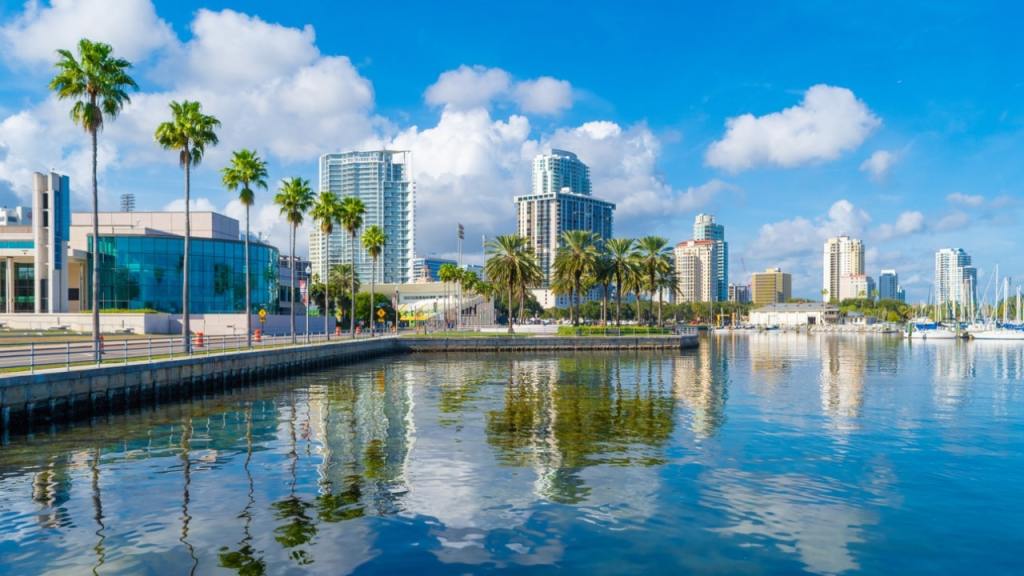

 St. Pete-Clearwater Sun
Leave a comment