
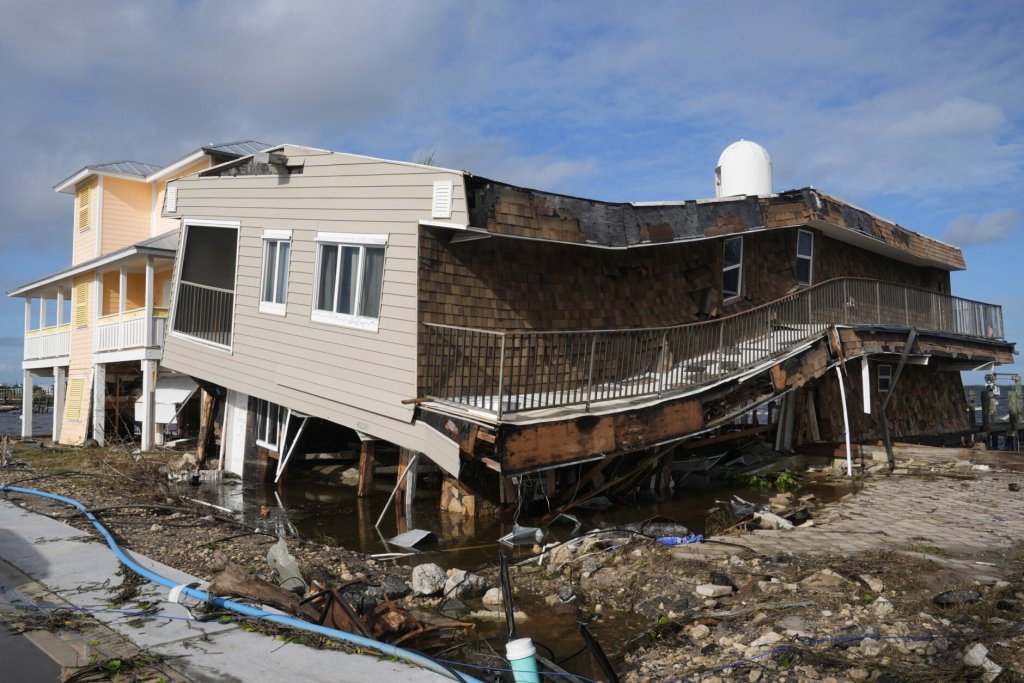
Hurricane Helene and Hurricane Milton caused widespread damage across Florida, with the former heavily impacting Georgia and North Carolina. The death toll has surpassed 300 lives lost, and there’s nearly a month and a half before the official end of the 2024 hurricane season.
At last count, 92 people remain unaccounted for in North Carolina, weeks after Hurricane Helene ravaged the state. Meanwhile, 230 people have been confirmed dead as a result of the Category 4 cyclone and hundreds are still missing. Hurricane Milton is responsible for an additional 23 deaths in Florida but more victims may be found in the coming days and weeks. St. Lucie County, located on the east coast of the peninsula has confirmed 6 dead, attributed to tornadoes spawned from the Category 3 storm. (photo credit WTOP)
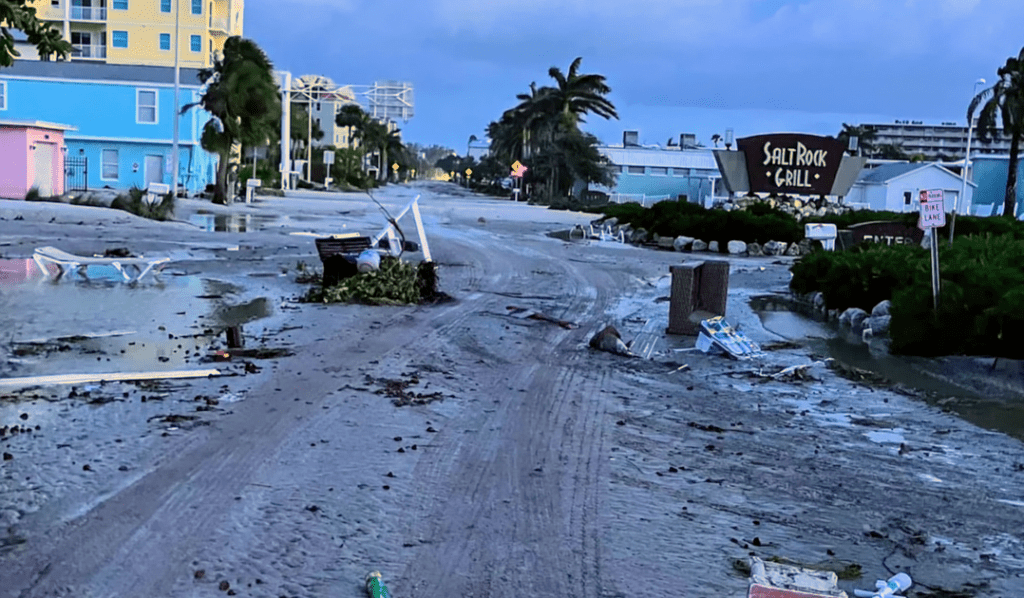
St. Pete, Tampa, and Volusia County have also reported fatalities, though some of these causes of death have yet to be officially determined. However, most hurricane-related fatalities are caused by storm surge, with flooding being another predominant cause of death, followed by wind-related casualties.
Hurricane Milton’s storm surge rose to 5.78 feet in Naples, almost a full foot higher at the same location where Hurricane Helene passed. That’s nearly 3 feet higher than Hurricane Debby, which struck on August 4th. In Fort Myers, the storm surge reached a similar height, 5.26 feet, higher than Hurricane Helene, which rose to 5.12 feet.
First responders conducted hundreds of water rescues, among them, a 14-year-old boy clinging to a fence panel in Hillsborough County, a single mother and her four children trapped in a flooded house, and a Coast Guard helicopter rescue of a man floating on an ice chest some 30 miles in the Gulf of Mexico who likely survived winds of 75 to 90 mph and waves up to 25 feet high.


 St. Pete-Clearwater Sun
Leave a comment