
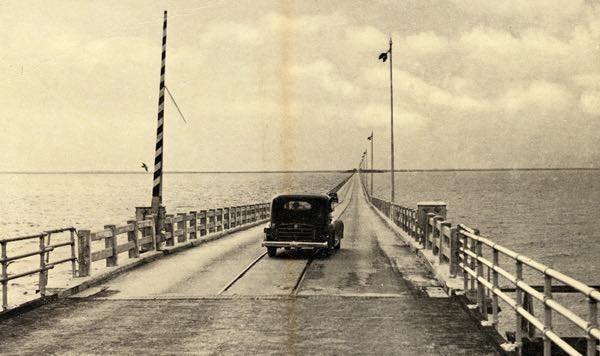
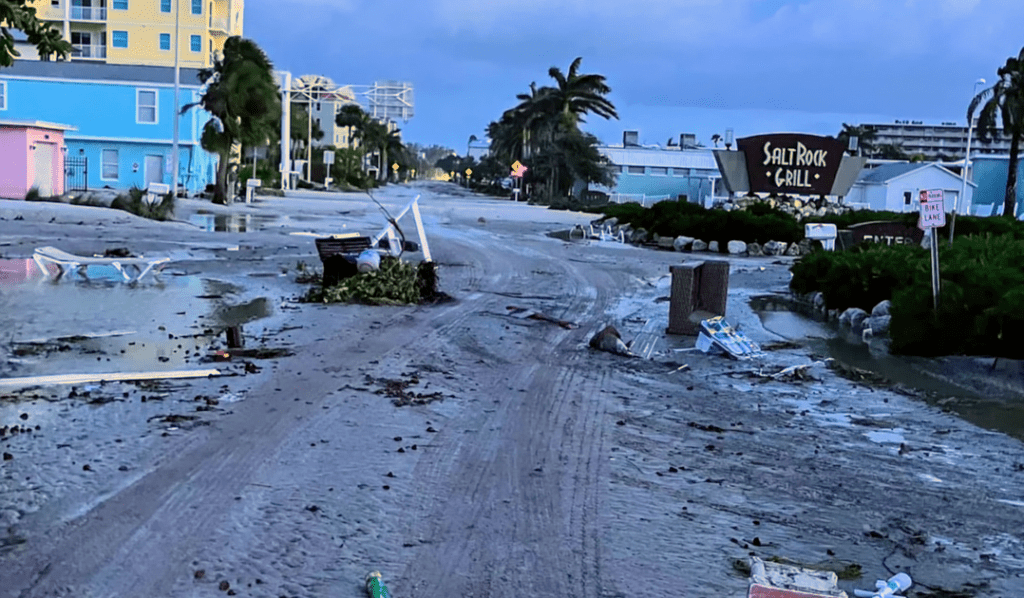
Over the past century, it has weathered numerous storms, including major hurricanes such as the 1935 Labor Day Hurricane, Hurricane Donna in 1960, and more recent storms like Hurricane Irma in 2017. Given Tampa Bay’s vulnerability to tropical storms and hurricanes, the Gandy Bridge has been subjected to multiple extreme weather events, enduring strong winds, heavy rain, and occasional storm surge over its nearly 100-year history.
A Brief History of the Gandy Bridge
The Gandy Bridge, a crucial link between St. Petersburg and Tampa, Florida, has a rich history dating back to the early 20th century.
In 1924, the original Gandy Bridge opened, revolutionizing travel in the Tampa Bay area. It was the brainchild of George Gandy Sr., a visionary entrepreneur who saw the need for a direct route across Tampa Bay. Before the bridge, travelers had to make a 43-mile trip around the bay, which took about 5 hours. The new bridge reduced this journey to just 19 miles and about 30 minutes.
At the time of its completion, the Gandy Bridge was the longest automobile toll bridge in the world, stretching 2.5 miles across Old Tampa Bay. It was an engineering marvel of its time and significantly boosted economic development in the region.
As traffic increased over the decades, additional spans were added. In 1956, a second span was constructed parallel to the original bridge. The third span was added in 1975 to accommodate growing traffic needs.
In 1997, a complete replacement of the original 1924 span was finished, modernizing the crossing. Today, the Gandy Bridge consists of two parallel spans, each carrying commuters and visitors alike.
The Present and Future of the Gandy
The bridge has become more than just a transportation link; it’s a symbol of the connection between St. Petersburg and Tampa. It has weathered numerous storms, including hurricanes, and continues to serve as a vital artery for the Tampa Bay area.
In recent years, discussions about further improvements to the Gandy Bridge corridor have been ongoing, reflecting its continued importance to the region’s transportation infrastructure.


 St. Pete-Clearwater Sun
Leave a comment